Markets
Trump midterm setback: what a Democratic Congress could mean for Sensex, rupee
With Democrats expected to take both chambers of Congress, Indian investors are asking whether a constrained Trump could ease pressure on oil, the rupee and exporters.
Desh Flash desk5 November 2026, 12:45 pm IST3 minUpdated 5 November 2026, 12:45 pm IST
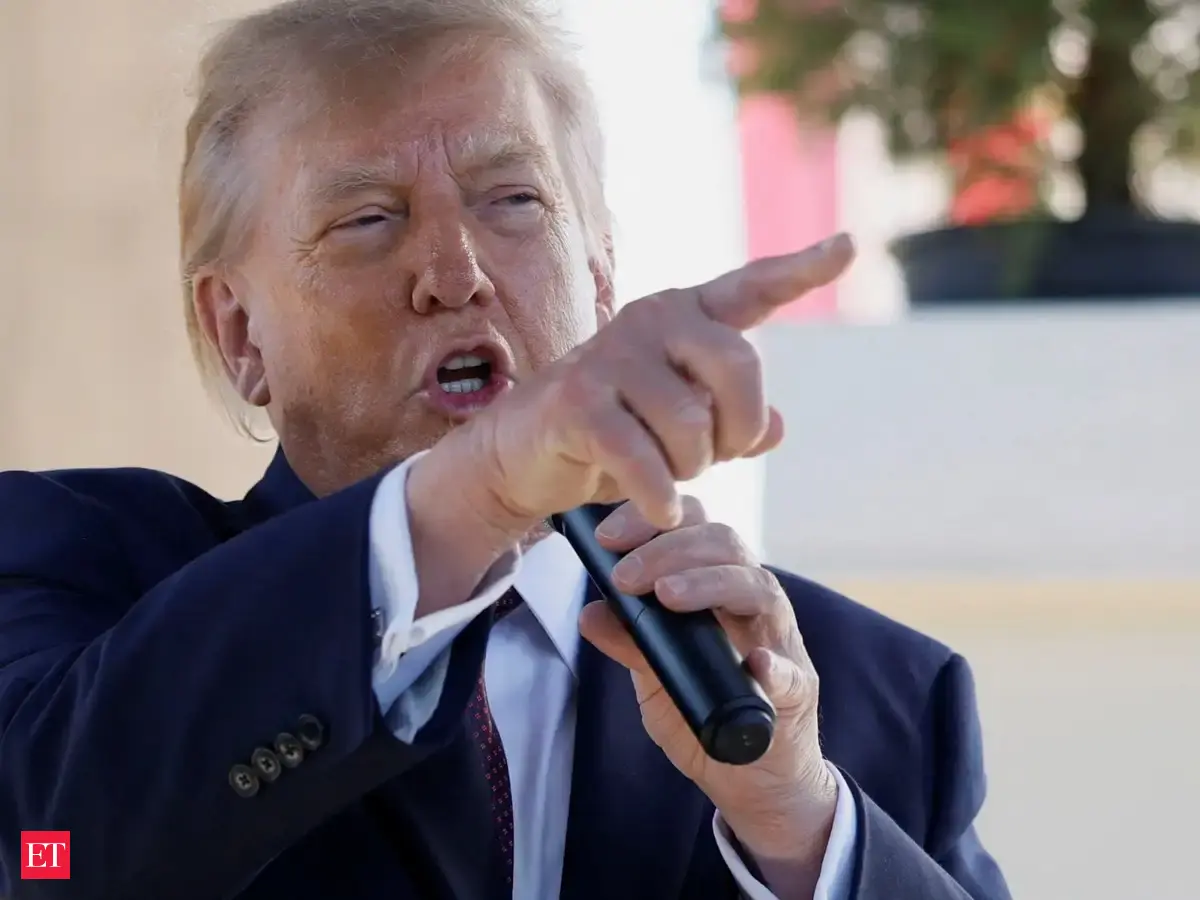
Democrats are expected to take control of both the US House and the Senate after the latest elections, a result that could hem in Donald Trump's agenda for the last two years of his term. For Indian markets, the question is whether a more constrained White House brings some relief after a bumpy stretch under Trump's second term.
History suggests midterms are rarely kind to sitting presidents. Barack Obama lost 63 House seats in 2010 and nine Senate seats in 2014, the steepest swings in the comparison. George W. Bush went the other way in 2002, gaining eight House and two Senate seats. Trump in 2018 and Joe Biden in 2022 each lost the House but added Senate seats, by two and one respectively. A two-chamber loss would put Trump in a tougher spot than either of them.
The market backdrop explains why Indian investors are watching. Since Trump's inauguration on January 20, 2025, the BSE Sensex has gone from 75,073 to a peak above 85,000, and it closed at 76,918 on November 3, 2026. That is only a modest gain over the period. The rupee has weakened from 86.21 to 94.75 per dollar over the same stretch.
Oil has been the other big swing factor. Brent crude was at $82.93 a barrel on inauguration day, spiked above $140, and settled at $103.6 on November 3, 2026. Foreign portfolio investors have also been net sellers of Indian equities. Monthly flows were about -$9.0 billion in January 2025, dipped to roughly -$13 billion at the worst, and improved to -$3.6 billion by October 2026. The source analysis suggests a shift in US policy on Iran could help cool crude, though that remains a possibility rather than a certainty.
Trade has been uneven too. Indian exports to the US grew 16.2% in April 2025, then swung sharply, falling below -20% at one point, before closing at 11.1% in September 2026. India's total exports started at -3.82% in April 2025, peaked at 18.4% and ended slightly below that high. Exporters have had a topsy-turvy ride, and a Congress that can check White House trade moves may be welcome news for them.
The sharpest hit has come in people, not goods. H-1B visa issuances to Indians fell from 17,136 in January 2025 to 1,625 in February 2026 after a new visa fee levy. Indians' share of total H-1B issuances dropped from 71.9% to 35.4% over the same period. That matters for India's IT services firms and for the many skilled workers who depend on the visa pipeline.
The takeaway for the morning briefing: a divided Washington does not automatically reset the India-US relationship, but it could limit how far new tariffs, visa rules or foreign policy moves go without congressional sign-off. If that eases oil prices and steadies the rupee, equity flows could turn friendlier. Watch Brent, the rupee and FPI numbers for the first signals.
Read the original analysis, with charts, at The Economic Times.
More in Markets
 Markets
SEBI Forms Working Group to Revamp IGP Rules and Ease Startup Listings
 Markets
Xenia Hotels beats Q3 estimates and raises 2026 outlook for third straight quarter
 Markets
Ratnadeep Retail Gets SEBI Nod for Rs 400 Crore IPO
 Markets