Business
Mbappé apologises after Mao meme sparks China backlash and sponsor exits
Sponsors dropped the French striker and state broadcasters pulled matches, showing how much commercial weight China now carries in global football.
Desh Flash desk2 November 2026, 10:50 pm IST2 minUpdated 2 November 2026, 10:50 pm IST
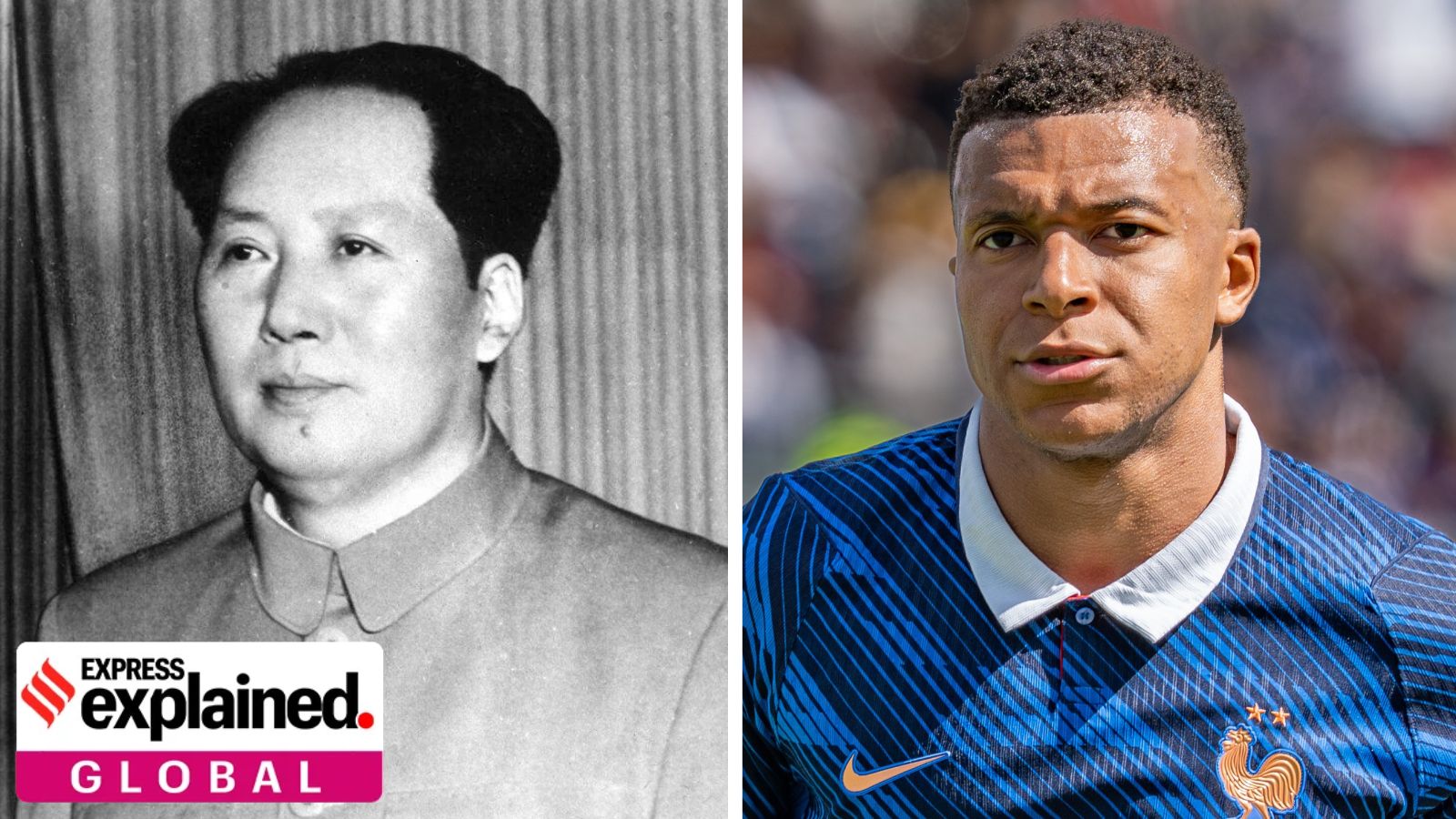
French footballer Kylian Mbappé apologised on October 27 after a joke about a meme showing his face superimposed on Mao Zedong's set off a sharp backlash in China. Within days, three Chinese brands ended their partnerships with him, and state broadcaster CCTV's parent body suspended La Liga coverage and advertising tied to the player.
The trouble began on the French online show The Bridge, where Mbappé was asked to pick his favourite meme featuring himself. He chose the Mao image and described the figure as a Chinese dictator. The clip spread quickly on Chinese social media, and the reaction was swift. Dongpeng, Mengniu and Milkground announced they were cutting ties, each saying the comments went against national sentiment. The People's Daily commentary platform Renmin Ruiping added a pointed warning that biting the hand that feeds you would not be tolerated.
The commercial fallout is the part that should catch the attention of anyone watching sports marketing. China Media Group, which oversees CCTV, halted La Liga broadcasts and related promotions involving the player, and said any talks would require apologies from the league, Real Madrid and Mbappé. La Liga expressed regret for the offence, stressed that the remarks were personal, and its president wrote to the broadcaster condemning the player's conduct. Real Madrid followed with its own apology to the Chinese people on October 28.
Why did a joke carry such weight? Beijing has long pushed back on anything it sees as an attack on its sovereignty or history, and Mao sits at the centre of that sensitivity. He founded the People's Republic in 1949, but the Party's 1981 verdict on his mistakes, including the Great Leap Forward and the Cultural Revolution, still shapes how his legacy is discussed. Scholars note that under Xi Jinping, the tone has shifted. Mao is being presented again as a figure of national pride, and any casual remark that casts him as a dictator is treated as a provocation rather than a joke.
For brands and leagues, the lesson is about reach. Chinese companies and broadcasters are now major buyers of sports rights and sponsorships, which means a single misstep by a star can translate into lost revenue and suspended deals almost overnight. Clubs and athletes with a large Chinese following have every reason to weigh how their public remarks might land across borders, even when they are made in a casual setting.
The episode also shows that the global sports business is no longer separate from geopolitics. A meme that might pass without notice in Paris or Madrid can become a commercial and diplomatic issue in Beijing. Expect more clubs and athletes to build cultural-sensitivity checks into their media training, and expect sponsors to write sharper conduct clauses into future contracts.
Read the original analysis from the Indian Express at indianexpress.com.
More in Business
 Business
TeamLease Digital's Neeti Sharma: AI-core tech roles open at 2.5x-3x routine IT pay
 Business
Anand Amritraj recalls lean 1970s tennis, when Grand Slam prize money was tiny
 Business
Nirmala Sitharaman to Chief Guest at Inaugural FE Leadership Awards
 Business