Business
Anand Amritraj recalls lean 1970s tennis, when Grand Slam prize money was tiny
The former Indian star, in Pune for the Tata Open Maharashtra, contrasts the thin purses of his playing days with today's Grand Slam payouts.
Desh Flash desk2 November 2026, 4:30 pm IST3 minUpdated 2 November 2026, 4:30 pm IST
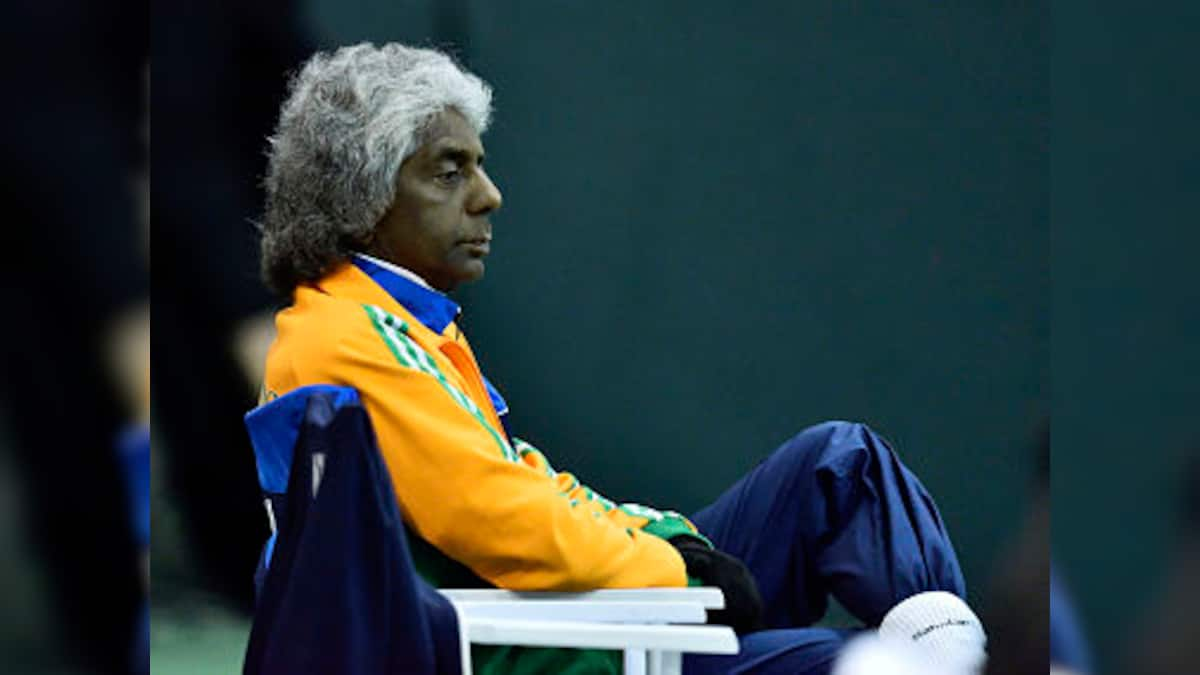
Anand Amritraj has a sharp memory for numbers, and the ones he remembers from his playing days tell a story about how far professional tennis has travelled. In Pune to commentate on the Tata Open Maharashtra, the former player spoke about a time when the sport was costly to play but rarely paid well, and when top athletes sometimes had to be frugal even after winning matches.
His recollections centre on a remarkable stretch in 1974. Amritraj and his younger brother Vijay were then India's top two players, and within about a month of each other they produced some of their finest results at Grand Slam level. Vijay beat reigning French Open champion Bjorn Borg in five sets at Forest Hills. Anand, nursing an ankle injury and relying on basic ice treatment, won in straight sets against Manuel Orantes, the 1975 US Open champion. Soon after, the brothers travelled by train from Madras to Poona, a journey of roughly 1,087 km, for India's Davis Cup tie against the USSR, which India won 3-1.
The financial contrast with today is stark. When Wimbledon opened to professionals in 1968, the total prize fund was £26,150, and the men's champion took home £2,000. By 2018, the tournament's total purse had climbed to £34 million. At the 2019 Australian Open, the overall prize money stood at $62.5 million, and even first-round losers in singles collected $75,000. Amritraj argues that the current structure rewards players well for early exits in the majors, though he points out that earning a place in those draws requires a strong season first.
Earnings in his era were modest by any measure. He describes a per-match payment of only a few pounds, and says his mother sent single pound notes to wherever the brothers were competing because she feared they were not eating enough. To supplement their income, Vijay would arrange chess wagers for Anand against players from Eastern Europe and elsewhere, a side hustle that underlined how little the tour itself paid. India's closed economy also limited how much foreign currency travellers could carry, which made long European tours a balancing act.
The logistics were just as demanding. Amritraj recalls qualifying for Wimbledon in 1971, when he was 19, travelling by Underground and bus to Roehampton and walking the final stretch in drizzle. Qualifying matches were best-of-five sets with no tie-breakers, few officials on court and no ball boys, and a single match could run three hours. Chairs for players at changeovers were not provided at Wimbledon until 1972.
For readers following the business of sport, his account is a useful reference point. Prize money has grown into one of tennis's most important economic levers, shaping how players plan their seasons, how tournaments compete for talent, and how the sport markets itself to sponsors and broadcasters. Amritraj's memories serve as a reminder of how recently the modern pay structure arrived and how much the sport's financial base has changed in a single working life. The full interview is available at Firstpost.
More in Business
 Business
Nirmala Sitharaman to Chief Guest at Inaugural FE Leadership Awards
 Business
Three Underrated Anime Titles Worth Adding to Your Watchlist Right Now
 Business
Vasco Sunday Market traders eye pre-Christmas restart after fire
 Business