Business
Lucknow eyes AI products, not just IT services, says UP IT secretary Alok Kumar
Uttar Pradesh's principal secretary for IT and electronics says the state capital has the talent and institutions to shift from delivery centre to technology creator, with a proposed AI City as the infrastructure anchor.
Desh Flash desk1 November 2026, 4:00 pm IST2 minUpdated 1 November 2026, 4:00 pm IST
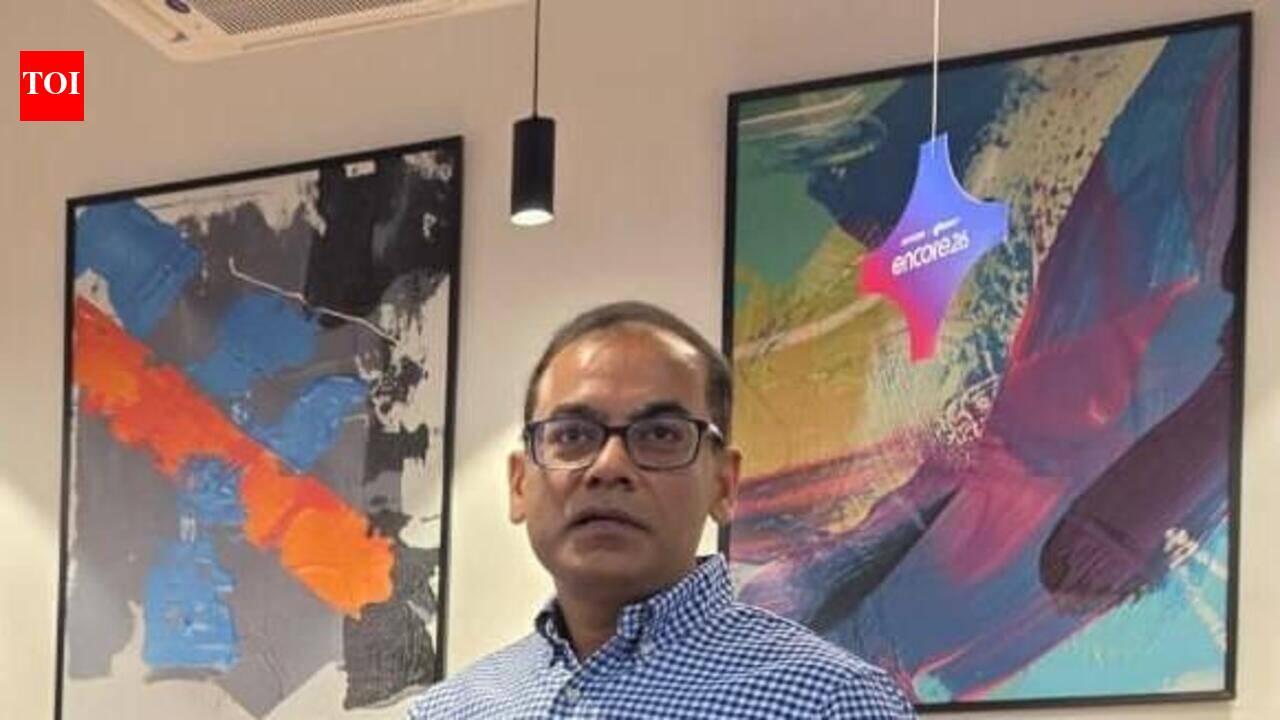
Lucknow is trying to change what it is known for in India's technology map. Alok Kumar, principal secretary for IT and electronics in Uttar Pradesh, says the city is moving from being mainly an IT delivery base to a place where companies also build AI products, digital solutions and new technologies. He made the case in an interview with Shailvee Sharda of The Times of India.
The morning-briefing takeaway: the pitch rests on a mix of existing employers and planned infrastructure. Kumar pointed to the presence of HCLTech, TCS, IBM, Deloitte, Genpact and InMobi as evidence of a widening base. HCLTech's Lucknow campus alone employs more than 12,500 people and serves over 150 global enterprises, he said, while InMobi is looking to hire around 500 specialists over the coming years.
Why Lucknow, and why now? Kumar argues the city's edge lies in strong academic institutions, skilled professionals and established healthcare and governance capabilities. Those strengths, in his view, suit application-led technology, especially AI, GovTech and healthcare. The stated focus is to link talent and institutions more tightly with industry and emerging technology companies.
The most concrete piece of the plan is the proposed AI City. According to Kumar, it is meant to supply the specialised infrastructure needed to go from technology services to technology creation. The planned development includes high-performance computing, AI testing and simulation labs, incubation for AI and deep-tech enterprises, and flexible workspaces. For startups, access to computing power is often the costly bottleneck, so shared facilities of this kind could matter.
On talent, the priority is to keep young professionals from leaving by giving them reasons to build locally. Kumar spoke of industry-linked training, access to computing and capital, and pathways from research to commercialisation, so graduates can build products, take up specialist roles or start companies in the city. He also sees applied AI reaching beyond offices into governance, education, agriculture and industry, including AI-enabled diagnostics and industrial uses that can be deployed at scale.
Looking to 2035, the official's ambition is for Lucknow to be recognised not only for the companies it hosts but for the capabilities it creates, with locally built products serving markets in Uttar Pradesh, India and abroad. The interview outlines intent rather than timelines or funding, so the test will be how quickly the AI City moves from plan to operating labs and whether homegrown firms follow the big employers.
Source: The Times of India
More in Business
 Business
Anand Amritraj recalls lean 1970s tennis, when Grand Slam prize money was tiny
 Business
Nirmala Sitharaman to Chief Guest at Inaugural FE Leadership Awards
 Business
Three Underrated Anime Titles Worth Adding to Your Watchlist Right Now
 Business