Agriculture
Haryana Farm Fires Drop Sharply as Paddy Straw Fetches Rs 7,000-9,000 an Acre
Farmers in Jind and Hansi are selling stubble to fodder buyers for Rajasthan's livestock, turning a pollution problem into a source of cash before the wheat sowing season.
Desh Flash desk4 November 2026, 4:45 pm IST2 minUpdated 4 November 2026, 4:45 pm IST
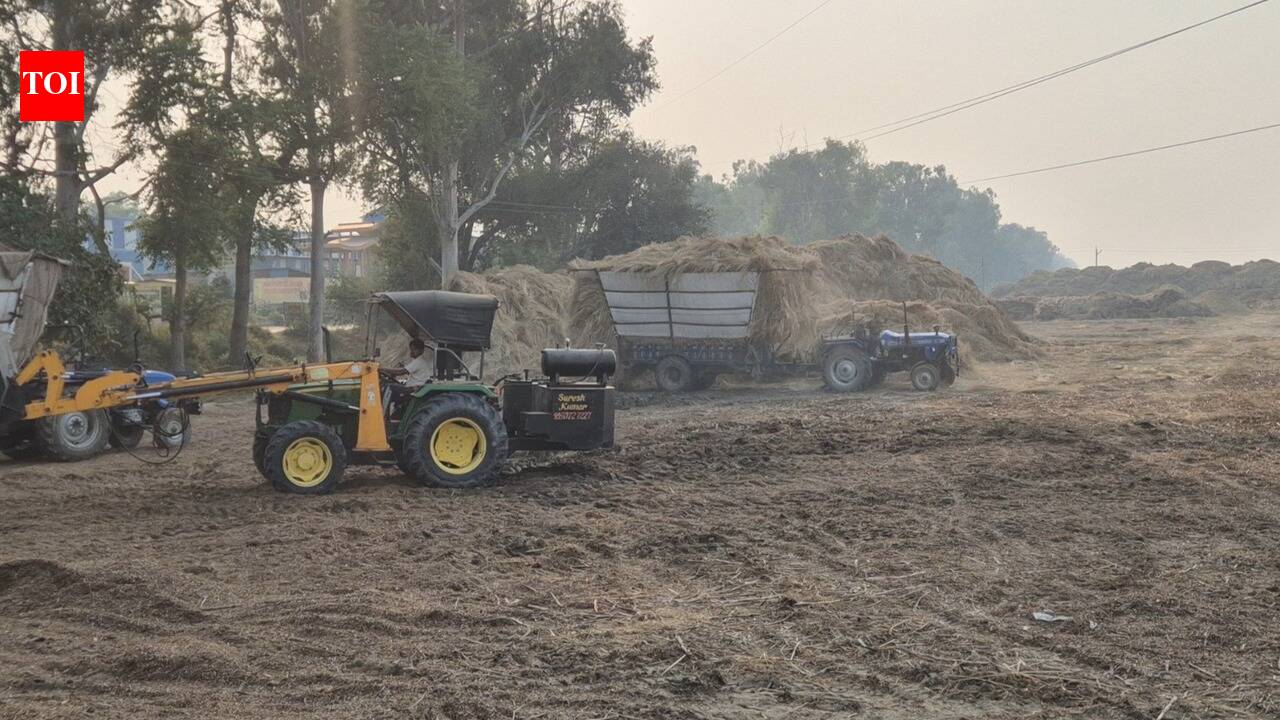
Stubble burning in Haryana has dropped sharply this season, and farmers say the reason is simple: paddy straw now pays. Agriculture department data shows 42 incidents of stubble burning reported in the state until November 2, 2025, compared with 118 in the same period last year. That is roughly a 64 per cent fall, a steeper decline than a simple 'one-third' figure would suggest.
The turnaround is being driven by demand from Rajasthan, where livestock owners need fodder for camels, goats and cattle. Farmers in the region are receiving between Rs 7,000 and Rs 9,000 per acre for their paddy straw, which buyers collect directly from fields. In Ramrai village in Jind, a private stubble purchaser who has built a large storage facility said his minimum offer is Rs 7,000 per acre, the highest rate he has seen for paddy straw in recent years.
The trade is also creating local work. The buyer said labourers, tractor owners and operators of loading machinery are all picking up income from the business, and he described the arrangement as a win-win for farmers, workers and the environment. For farmers who had long treated residue as a cost to be cleared, the change is significant.
Farmers say the numbers make sense on the ground. Rajthal farmer Birender Bisla said the prices are the best he has seen for stubble and that the extra income helps him get fields ready for the next crop. He estimated that sowing wheat on one acre costs around Rs 5,000 across fertiliser, seed and tractor work, and said this year's straw price more than covers that outlay. Anil Godara, a farmer in Hansi district, said not a single burning incident has been reported in his village so far.
Officials point to several causes beyond price. Narender Pal, a quality control inspector with the agriculture department in Jind, credited the decline to officials maintaining a continuous presence in fields, stricter action against violations, growing farmer awareness, and new biogas plants that use paddy straw as feedstock. There is a catch, however. The high straw prices mainly apply when paddy is harvested manually, which can cost around Rs 10,000 per acre in labour. Farmers who rely on combine harvesters, charging about Rs 2,500 per acre, often find that private buyers will not take the residue left behind, and some still burn it to clear their fields quickly. Closing that gap will determine whether the trend holds.
For now, the signs are encouraging. A residue that was once a seasonal headache is becoming a revenue line for farmers, and the air over north India may be the beneficiary. Read the original reporting from the Times of India.
More in Agriculture
Piyush Goyal rules out dairy market opening and GM imports in any trade pact
Kurukshetra: BKU (Pehowa) Alleges Same Farmland Verified Twice on Haryana Paddy Portal
 Agriculture