Agriculture
Gadkari Pitches Farm Fuels and Green Hydrogen to Shrink Rs 22 Lakh Crore Import Bill
Union Road Transport Minister Nitin Gadkari says agriculture can become a major energy source, pairing farmer income gains with a push to cut fossil fuel imports.
Desh Flash desk6 November 2026, 10:15 pm IST3 minUpdated 6 November 2026, 10:15 pm IST
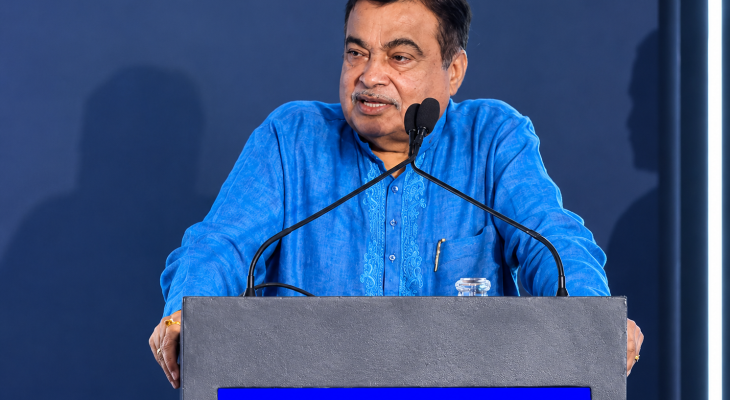
Union Minister for Road Transport and Highways Nitin Gadkari has urged India to turn its farms into a source of energy, arguing that homegrown fuels can chip away at a fossil fuel import bill that now runs to Rs 22 lakh crore a year. Speaking at KPMG's Enrich 2026 Forum, he laid out a vision built on ethanol, compressed biogas, bio-bitumen and other biofuels, alongside a long-term goal of cutting the cost of green hydrogen.
The core argument is import substitution. Gadkari framed the fossil fuel bill as a problem on three fronts: economic, environmental and strategic. His answer is fuels that are cheaper to produce domestically, cleaner to burn and sourced from within the country. He also suggested that the same shift could give farmers a second revenue stream beyond food crops.
On ethanol, the minister said roughly 20 crore two-wheelers and four crore four-wheelers already run on E20 blends. Automakers including Tata Motors, Mahindra, Toyota, Suzuki and Hyundai are preparing flex-fuel vehicles that can handle higher ethanol content. He said he would unveil a flex-fuel version of Toyota's Innova in November. According to his figures, ethanol at around Rs 75 a litre compares with petrol at about Rs 120 a litre, and he put the running cost of the ethanol-powered Innova at roughly Rs 25 a litre. He also pointed to feedstocks ranging from corn and broken rice to sugarcane juice, molasses and bamboo, and said trials were underway on isobutanol as a diesel blend.
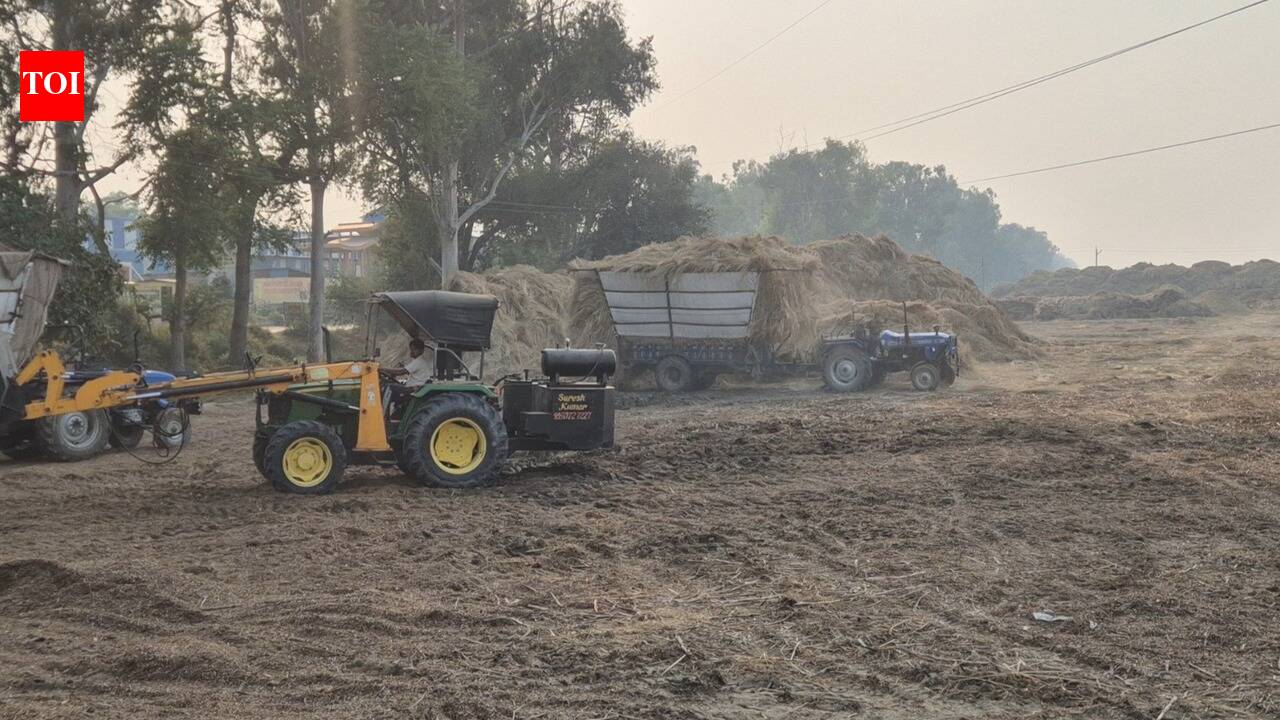
Crop residue is the other big opportunity. Gadkari highlighted Punjab and Haryana, where he cited around 280 lakh tonnes of biomass, including rice straw. Stubble burning is a recurring contributor to Delhi's winter smog, and he argued that converting that residue into fuel could address both pollution and energy needs. He said about 3,000 compressed biogas plants have been registered, with 280 now operating, and that roughly five tonnes of rice straw can yield one tonne of bio-CBG. He called for more research into biomass productivity and methods to boost methane output.
Gadkari also linked the energy push to manufacturing. He said the vehicle scrappage policy could cut automobile component costs by about 30 per cent by recovering aluminium, copper, plastic and rubber from end-of-life vehicles. He put the auto industry's size at roughly Rs 22-23 lakh crore, up from Rs 14 lakh crore in 2014, and said it employs around 4.5 crore people.
For markets and policymakers, the message is that energy security and farm incomes are being pitched as one agenda. Whether the plan delivers will depend on how fast flex-fuel vehicles reach showrooms, how quickly biogas plants move from registration to operation, and whether green hydrogen costs fall as targeted. For now, the minister's remarks mark a clear signal of where India's alternative fuel push is heading. Read the full remarks in the original report at BW Businessworld.
More in Agriculture
 Agriculture
Atul Save Donates Rs 1 Crore for Drought Relief, Scales Back Son's Wedding
AgricultureDabha Agrovision centre gets Rs 644.63 crore boost; project cost now Rs 879.63 crore
 Agriculture