Economy
Fed's Hammack and Barkin back gradual rate hikes as inflation stays stubborn
Two Federal Reserve presidents want small, steady increases rather than sharp moves, as markets trim bets on a December hike.
Desh Flash desk6 November 2026, 4:40 pm IST2 minUpdated 6 November 2026, 4:40 pm IST
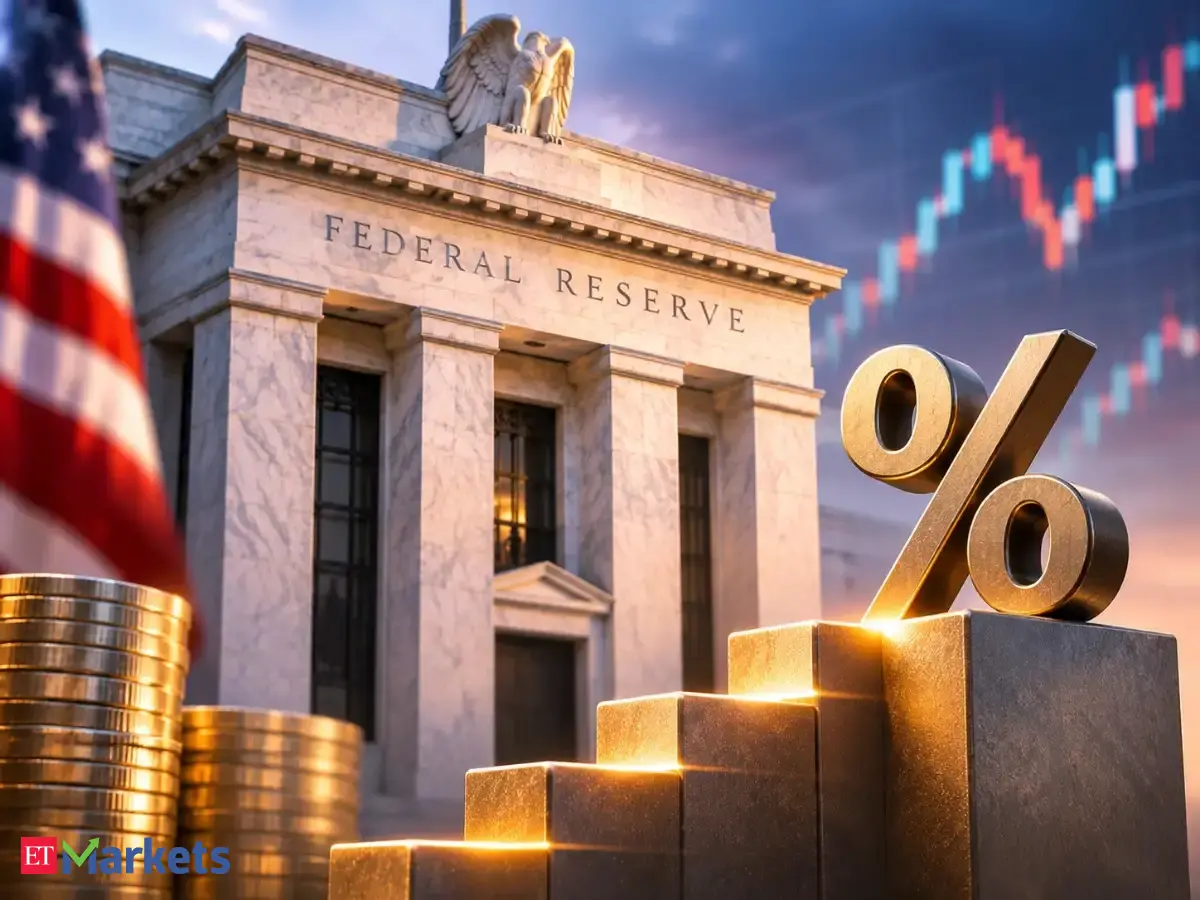
Two Federal Reserve policymakers, Beth Hammack of the Cleveland Fed and Thomas Barkin of the Richmond Fed, have come out in favour of raising interest rates slowly and in small steps to bring inflation back under control. Their remarks, delivered on Thursday, signal that the central bank's hawkish wing is still focused on price pressures even as the economic outlook becomes harder to read.
Hammack said she expects monetary policy will need to become restrictive to return inflation to the Fed's 2% target in a timely way. She prefers a series of smaller, more frequent adjustments over abrupt jumps, arguing that this path would be easier on households, businesses and financial markets, and could also keep higher expectations for future price rises from taking root. Barkin said inflation remains too high and is not easing, adding that a gradual pace for future hikes makes sense.
The backdrop is a Fed that has paused recently. Last week the central bank kept its benchmark rate in a 3.75% to 4.00% range. Hammack and Governor Lisa Cook both voted for an increase at that meeting, which underlines how divided policymakers are over how hard to push against inflation.
Markets still lean toward another increase in December, but conviction has eased. Futures traders have cut the odds of a December move to roughly 70%, down from more than 80% a day earlier. Beyond the end of the year, the picture is murkier, which is why the officials' emphasis on pacing matters for anyone planning around borrowing costs.
Two wildcards are shaping that outlook. The first is artificial intelligence spending, which has been a major engine of investment. Evercore ISI analysts told clients that AI capital expenditure could slow over the next year or two, possibly as local opposition to data centres and permitting hurdles weigh on construction, which could ease demand for equipment and inputs without requiring many more rate hikes. The second is geopolitics, including the Iran conflict. TD Securities expects the Fed to lift rates by another 50 basis points by early next year, but it says a resolution to that conflict or a cooling in AI investment could reduce the need for tightening after March.
The next test arrives Friday with the US jobs report. Economists expect about 65,000 new jobs in October, following a gain of 29,000 in September. A firm report would strengthen the case for further tightening, while a weak one could give the gradualists more room to wait. Either way, the message from Hammack and Barkin is that the Fed intends to keep moving, just not quickly.
Read the original reporting at Economic Times.
More in Economy
 Economy
Bengaluru airport gold seizures triple to Rs 51.5 crore as duty hike bites
 Economy
Saudi Arabia extends $3 billion deposit to Pakistan, says Finance Minister Aurangzeb
 Economy
Modi, Trump likely to meet Quad leaders in Manila before Trump-Xi talks
 Economy