Jan Suraaj declared Rs 101 crore income in FY25 but spent just Rs 9.2 crore: ADR
An Association for Democratic Reforms analysis shows the Prashant Kishor-led party, which won no seats in the 2025 Bihar polls, raised most of its money from a handful of donors.
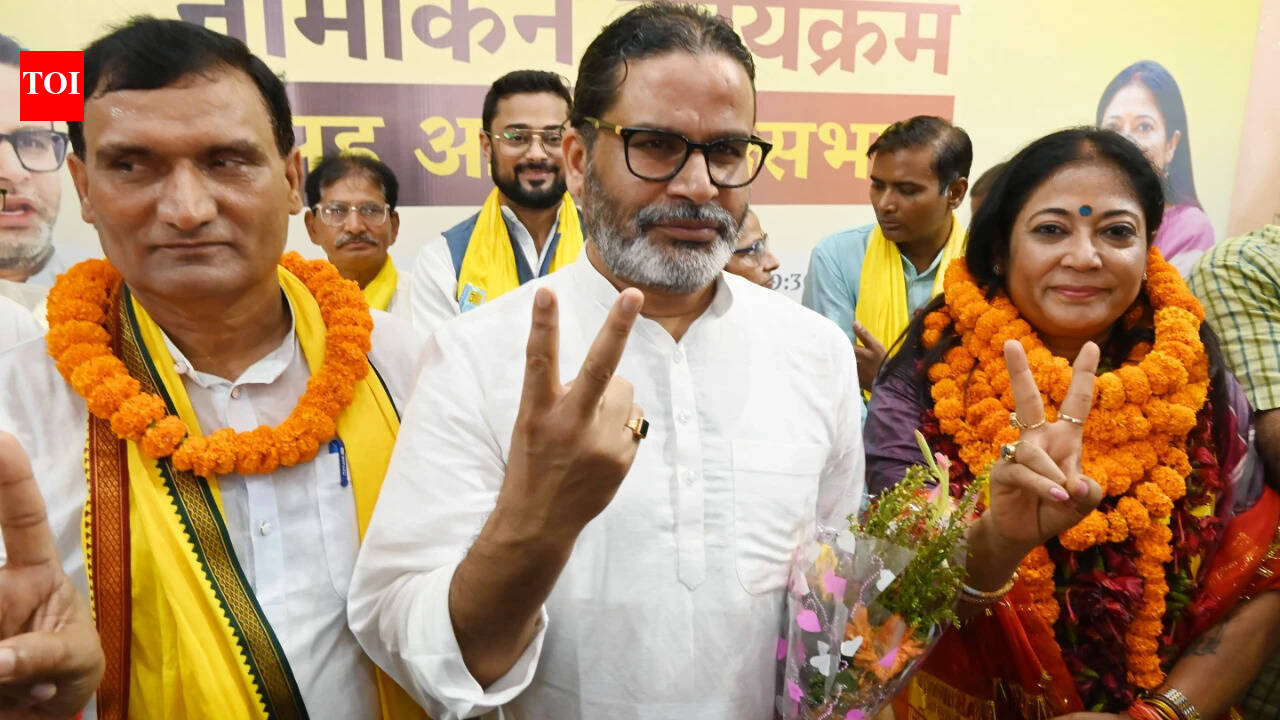
Jan Suraaj, the party founded by Prashant Kishor, reported an income of Rs 101.32 crore in 2024-25, according to an analysis by the Association for Democratic Reforms (ADR). Of that, Rs 99.40 crore came in as donations. The party spent Rs 9.2 crore in the same period, even though it contested 238 seats in the 2025 Bihar assembly elections and won none.
The gap between what the party collected and what it spent is the headline number, but the donor pattern is where the analysis gets interesting. The top 10 donors across the country's top 10 registered unrecognised political parties gave a combined Rs 120 crore through 445 transactions. Jan Suraaj alone accounted for Rs 97.72 crore of that, from 104 donations, or about 80% of the top-10 donor total. Vedhas Ventures contributed Rs 85 crore to the party across 85 transactions, and Kishor himself donated Rs 10 crore. The other nine parties on that list shared just Rs 23.26 crore from their top donors.
Electoral results have since offered a small counterpoint. The party has won a seat in the assembly after Prashant Kishor won a bypoll held in July, and it has also secured one seat in the Bihar Legislative Council. Those wins came after the 2024-25 accounts period, so they do not change the financial picture the ADR report describes, but they do show the party now has a foothold in the legislature.
The analysis also points to a wider transparency problem. ADR found that annual audit and contribution reports for FY2024-25 are missing from the public domain for 65%, or 1,330, of all registered unrecognised parties. For a sector where donations can arrive in large lumps, that absence makes it difficult for voters and watchdogs to trace who is funding which campaigns.
The scale comparison adds further context. National parties reported total income of around Rs 7,960 crore, more than 6.6 times the Rs 1,192.944 crore declared by 36 regional parties, and 8.1 times the Rs 973.93 crore reported by the top 15 unrecognised parties. The top 15 unrecognised parties together declared around Rs 1,064 crore in small-ticket donations below Rs 20,000 and, like Jan Suraaj, won no seats in any election they contested.
For readers tracking political funding, the takeaway is that headline income figures can mislead. A party's balance sheet can look robust on paper while its money is concentrated in a few large contributions, and the public record needed to verify those contributions is often incomplete.
Read the full ADR-based report on the Times of India site: In FY 25, Jan Suraaj received Rs 101cr, spent only 9cr: ADR.