Charkhi Dadri, Mahendergarh villagers ask Aravalli panel to ban mining
At field hearings in south Haryana, residents and activists described cracked homes, dry wells and flattened hills as they pressed a Supreme Court-appointed committee for a moratorium and ecological repair.
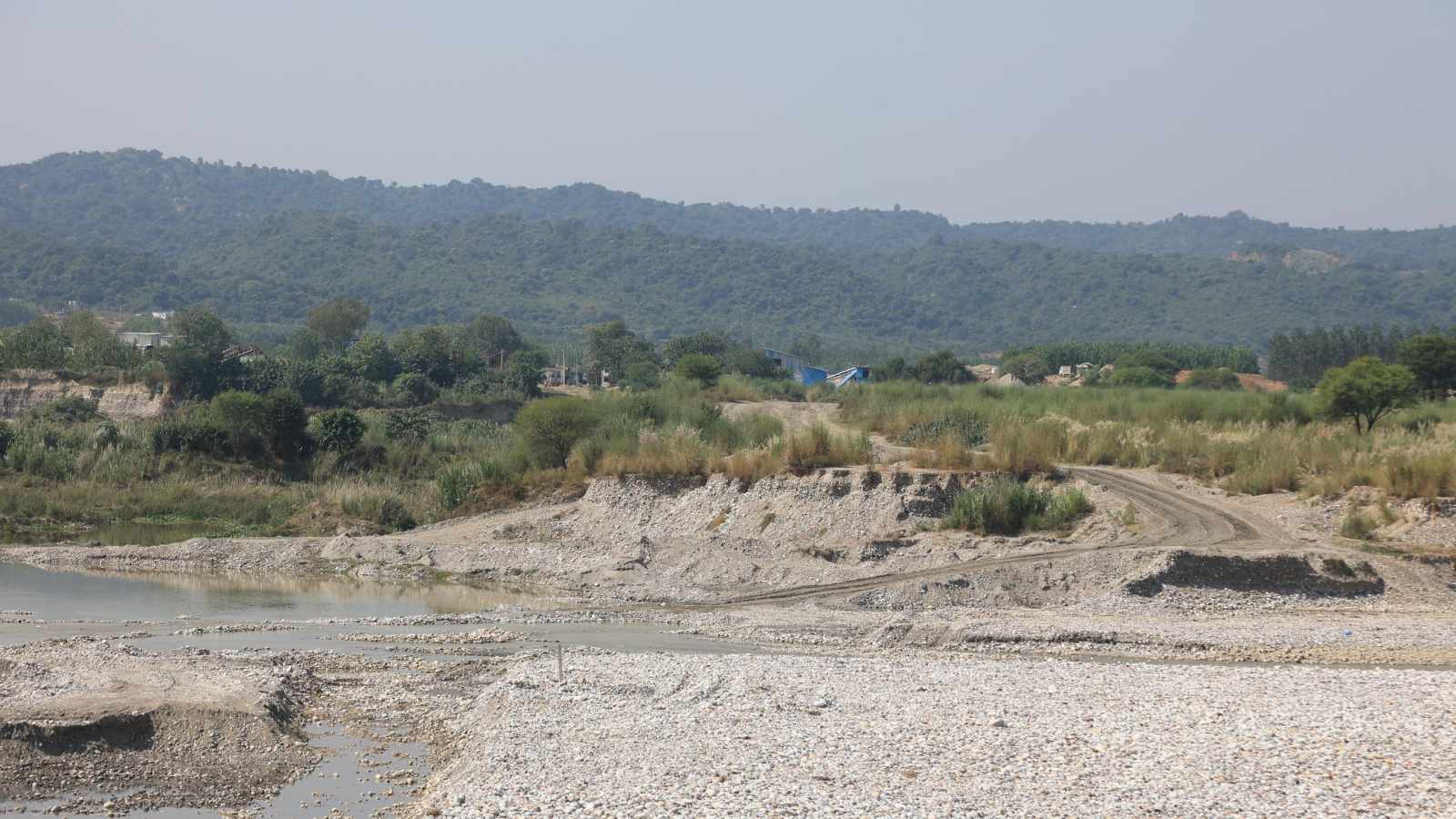
Villagers and environmental groups in Haryana's Charkhi Dadri and Mahendergarh districts have urged the Supreme Court-appointed Aravalli committee to recommend an immediate ban on mining and to restore damaged land. The appeals came on Tuesday during the panel's field visit and public hearings, according to a statement issued on Wednesday by the Aravalli Virasat Jan Abhiyaan.
Think of it as the ground-level ledger behind a legal debate. The high-powered committee is reviewing the Centre's report on how the Aravalli range should be defined and delineated, a question that decides which hills get protection and which can be quarried. It was formed through a May order and must submit its final report by November 30.
Neelam Ahluwalia, co-founder of the group, asked for an absolute ban in water-stressed "dark zones" such as Mahendergarh, cancellation of leases that breach the groundwater table or stray beyond their boundaries, and a cumulative environmental, social and health assessment of decades of mining, stone crushing, cement plants and waste dumping.
The testimony was specific. At Ramalwas, All India Kisan Sabha district vice-president Om Prakash said almost the whole ridge across Charkhi Dadri and Bhiwani has been dismantled over the past decade, and linked deep excavation to depleted aquifers and to silicosis, respiratory illness and eye injuries from blasting and dust. Sarpanch Sanju said villagers boycotted the 2024 Assembly elections over quarrying that damaged homes, which eventually led to the lease being ended. She also said the panchayat has not received its mandated revenue share or rent since 2018, and asked for compensation and for mining pits to be turned into rainwater recharge reservoirs.
In Pandwan, activist Yogbir Sangwan alleged extraction beyond lease limits in villages including Pichopa Kalan and Manakwas, claiming overloaded dumpers move through informal WhatsApp tip-off networks and that panchayat representatives who report illegal blasting face threats. These are allegations made at the hearing, not findings.
The most striking claim came from Rajawas in Mahendergarh. Resident Satyanarayan presented revenue records showing Haryana notified 506.33 acres as Protected Forest on June 20, 2023, for compensatory afforestation linked to the Great Nicobar project. The same day, 119.55 acres, about 24 per cent of that land, was put up for e-auction for stone mining without panchayat consent. With groundwater in Satnali block reportedly down to 1,500 to 2,000 feet, residents warned that mining threatens a community pond linked under the Atal Bhujal Yojana. They asked for the auction to be scrapped and for a contiguous 15-kilometre ridge across 20 villages to be notified a Conservation Reserve.
The collective also submitted a charter to the panel that includes the mining ban, lease cancellations and impact assessment, along with demands for tighter monitoring of mining clusters. For a region where water security, rural health and local revenue all hinge on the same ridgeline, the committee's November recommendations will be closely watched. Source: The Indian Express.